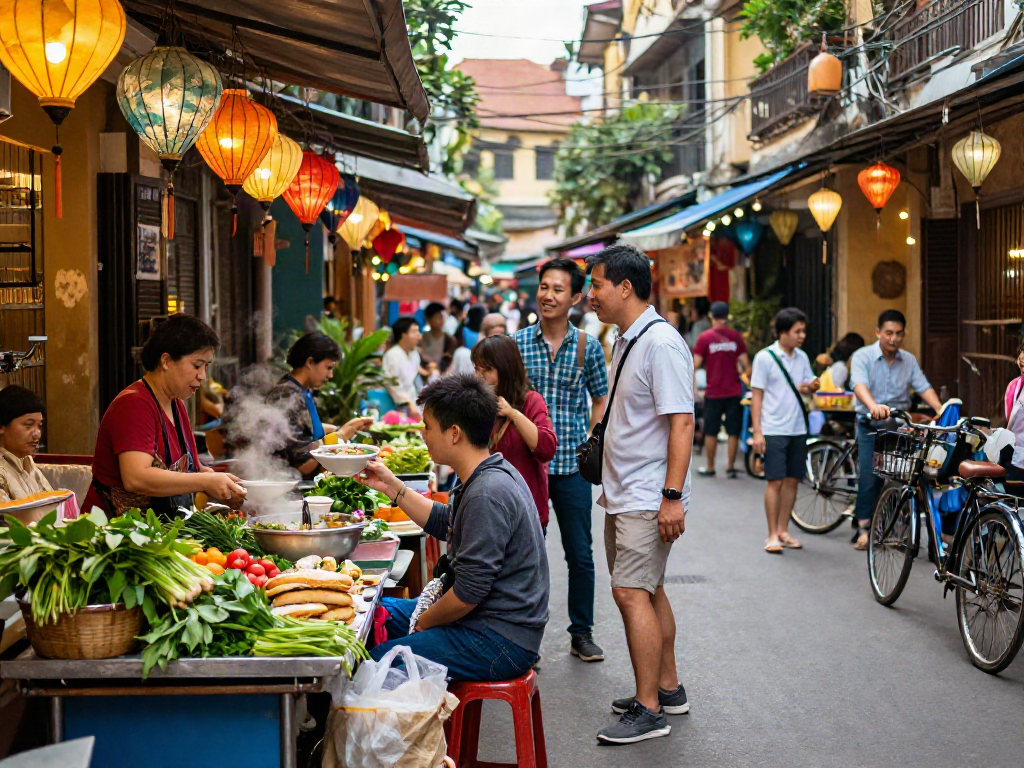
Understanding Vietnam's Culinary Heritage
Vietnam's culinary scene is a rich tapestry woven from its diverse geography, history, and cultural influences. As we explore the unique flavors and aromas that characterize Vietnamese cuisine, we discover how each dish tells a story about the land and its people. For food enthusiasts and travelers alike, understanding this heritage is crucial for enjoying the authentic tastes Vietnam has to offer. When seeking to delve deeper into the subject, https://joeyvisavietnam.com/ provides comprehensive insights into the ingredients and culinary traditions that make Vietnam a must-visit destination for food lovers.
The Influence of Geography on Vietnamese Cuisine
The geography of Vietnam plays a fundamental role in shaping its culinary identity. With a coastline stretching over 3,400 km and fertile plains, the country enjoys an abundance of fresh seafood, herbs, and vegetables, which are pivotal to its dishes. Northern Vietnam, for example, is characterized by its cooler climate and mountainous terrain, leading to the use of heartier ingredients like beef and fresh greens. In contrast, the south, with its tropical climate, boasts an array of fruits and spices, resulting in sweeter and more aromatic dishes.
Regions are often defined by their unique cuisines: the north is known for its subtle flavors and noodle dishes such as phở, while central Vietnam emphasizes bold and spicy flavors, famously represented in dishes like mì quảng. Southern cuisine, on the other hand, introduces elements like coconut milk and sugar, evident in dishes such as cà ri gà (chicken curry).
Traditional Cooking Techniques and Ingredients
Traditional Vietnamese cooking techniques are as varied as the ingredients themselves. Steaming, boiling, and stir-frying are common methods that preserve the natural flavors of food. One of the most unique aspects of Vietnamese cuisine is the use of fresh herbs, which are often used in copious amounts. Ingredients like lemongrass, mint, and cilantro are not just garnishes; they are integral to the dishes' flavor profiles.
Moreover, the balance of flavors—sweet, sour, salty, and spicy—is fundamental in Vietnamese cooking. This is often achieved through the use of fish sauce (nước mắm), which adds depth and umami to dishes. Additionally, the use of seasonal ingredients reflects a deep respect for nature and sustainability, making traditional Vietnamese cooking both environmentally conscious and delicious.
Cultural Significance of Food in Vietnam
Food in Vietnam is more than sustenance; it is a cultural cornerstone that fosters community and connection. Meals are often shared, emphasizing familial bonds and social interactions. Traditional celebrations, such as the Lunar New Year, showcase an array of dishes, each symbolizing good luck and prosperity.
The communal dining experience is characterized by the sharing of multiple dishes, allowing everyone at the table to partake in the meal. Furthermore, special occasions often involve the preparation of traditional foods, reinforcing the importance of culinary practices passed down through generations.
Popular Dishes to Experience
Must-Try Street Foods: An Overview
Vietnam's street food scene is legendary, offering an authentic glimpse into the country's culinary culture. Vendors line the bustling streets, serving up delicious specialties at affordable prices. Dishes such as phở, bánh mì, and gỏi cuốn (spring rolls) are not only popular among locals but also entice travelers looking for an immersive food experience.
Each region incorporates its own twist on these staples. For instance, in Hanoi, the soup base for phở is typically richer due to the use of beef bones, while in Ho Chi Minh City, the focus shifts toward lighter broths incorporating more herbs and seasonings. Indulging in street food offers a delightful culinary adventure, immersing visitors in the local flavor and vibrant atmosphere.
Regional Specialties Across Vietnam
As mentioned, Vietnam is home to diverse regional cuisines, each offering unique flavors and specialties. In the north, chả cá Lã Vọng (grilled fish with dill) represents the region's love for fresh ingredients and robust flavors. Moving to central Vietnam, cơm hến (clam rice) showcases the region’s seafood-centric culinary style, while also incorporating the use of local spices.
Down south, dishes like bánh xèo (Vietnamese pancakes) demonstrate the region’s penchant for crispy textures and savory fillings. Each dish tells a story, reflecting the geographical and cultural nuances that define Vietnam's rich culinary landscape.
Dining Etiquette and Experiences
Understanding dining etiquette in Vietnam enriches the culinary experience. It is customary to share dishes among diners, which fosters a sense of community and togetherness. When dining at a restaurant, always wait for the eldest person at the table to begin eating first. Similarly, when using chopsticks, avoid sticking them upright in rice, as this resembles incense offerings for the deceased.
To fully appreciate Vietnamese cuisine, consider engaging with local dining experiences, from street-side stalls to traditional family-run eateries. Each setting provides unique insights into the local culture and the profound respect for food that defines Vietnamese society.
Exploring Food Markets in Vietnam
Top Markets You Can't Miss
Vietnam is home to vibrant food markets that are a feast for the senses. Markets like Chợ Bến Thành in Ho Chi Minh City and Chợ Đồng Xuân in Hanoi are bustling hubs of activity, offering everything from fresh produce to street food delicacies. Exploring these markets allows visitors to interact with local vendors, discover unique ingredients, and savor authentic flavors.
Each market has its own character, with some specializing in particular foods or goods. For example, Chợ An Đông is renowned for textiles and food items, making it a great spot for both culinary and shopping experiences.
Finding Authentic Local Ingredients
For those looking to replicate Vietnamese dishes at home, finding authentic local ingredients is essential. Markets are the best source, as they provide fresh herbs, vegetables, and spices essential for traditional cooking. Engaging with vendors can also lead to discovering lesser-known ingredients that elevate your culinary endeavors.
Additionally, visiting local farms or participating in farm-to-table experiences can provide insights into sustainable practices and the importance of seasonal eating, further enhancing your connection to Vietnam's culinary heritage.
Food Tours: A Unique Way to Explore
Food tours are an increasingly popular way to experience the culinary landscape of Vietnam. Guided tours often take participants through various neighborhoods, sampling local delicacies and learning about the history and cultural significance of each dish. This immersive experience allows visitors to engage with the food and the locals, deepening their understanding of Vietnam’s culinary traditions.
When selecting a food tour, look for options that emphasize local eateries and markets for a more authentic taste of Vietnam, as opposed to tourist-centric establishments.
Cooking Classes and Culinary Tours
Participating in a Local Cooking Class
Participating in a cooking class is an excellent way to dive deeper into Vietnamese cuisine. Classes typically start with a visit to a local market, where attendees learn about essential ingredients and how to select the freshest produce. Back in the kitchen, participants are guided through the preparation of traditional dishes, providing hands-on experience and culinary insights.
These classes not only teach cooking techniques but also share cultural stories behind each dish, making for a memorable experience. Look for classes that offer a small group setting for more personalized instruction and engagement with the chef.
Tips for Selecting the Best Culinary Tours
When choosing a culinary tour, consider factors such as group size, content focus, and the guides' expertise. Small group tours provide more interaction and a better opportunity to ask questions. Research online reviews and recommendations to ensure the tour aligns with your interests, whether that be street food, traditional cooking, or regional specialties.
Additionally, verify if the tour includes visits to local markets, as this adds to the authenticity and educational value of the experience.
What to Expect on Your Culinary Journey
Culinary tours in Vietnam typically offer a structured yet flexible approach to exploring the country's diverse cuisine. Expect a mix of hands-on cooking experiences, guided tastings at local restaurants, and insightful discussions about food culture.
Participants can anticipate learning about the balance of flavors that defines Vietnamese dishes, such as the harmonious blend of sweet, sour, salty, and spicy. Moreover, expect to leave with not only cooking skills but also recipes that allow you to recreate the magic of Vietnamese cuisine back home.
Future Trends in Vietnamese Cuisine
Modern Influences on Traditional Cooking
As globalization continues to shape culinary landscapes, modern influences are being integrated into traditional Vietnamese cooking. Younger generations are experimenting with fusion techniques, combining local ingredients with international flavors. This has led to innovative dishes that appeal to both locals and tourists, such as sushi rolls using traditional Vietnamese ingredients.
Additionally, the rise of social media has created a platform for chefs and home cooks to showcase their creativity, leading to new interpretations of classic dishes and attracting a global audience.
Sustainability and Food Sourcing in 2026
The future of Vietnamese cuisine is also leaning towards sustainability and ethical sourcing. As awareness of environmental issues grows, more establishments are prioritizing local and organic ingredients. This trend not only supports local farmers but also reduces the carbon footprint associated with food transport.
Expect to see increased emphasis on plant-based dishes and sustainable seafood practices as restaurants and chefs adapt to a changing food landscape, appealing to health-conscious consumers looking for environmentally friendly dining options.
Emerging Culinary Innovations and Recipes
Emerging culinary innovations in Vietnam's food scene are paving the way for exciting new recipes and gastronomic experiences. With technology playing a crucial role, chefs are utilizing modern techniques such as sous vide cooking and food science insights to reinvent traditional dishes.
Watch for trends like fermented foods, which are becoming more popular due to their health benefits. Traditional sauces, pickles, and snacks are being reimagined, providing a contemporary twist that appeals to a wider audience while still honoring traditional flavors.
What are the must-try dishes in Vietnam?
Must-try dishes in Vietnam include phở, bánh mì, gỏi cuốn (spring rolls), and chả cá Lã Vọng. Each dish encapsulates the unique flavors and cooking techniques that define the country’s culinary heritage.
How can I find authentic Vietnamese street food?
To find authentic Vietnamese street food, explore local markets and busy street corners, especially during meal times. Engage with locals and consider guided food tours that can provide insights into the best stalls and hidden gems.
What are the best markets to visit in Vietnam?
The best markets to visit in Vietnam include Chợ Bến Thành and Chợ Đồng Xuân. These markets offer a wide range of local produce, street food, and handicrafts, making them perfect for an immersive cultural experience.
Are cooking classes available for tourists in Vietnam?
Yes, various cooking classes are available for tourists throughout Vietnam, offering hands-on experiences that teach traditional cooking techniques and local recipes. Many classes also include visits to markets, enhancing the overall experience.
What trends are shaping Vietnamese cuisine in 2026?
In 2026, trends shaping Vietnamese cuisine include a focus on sustainability, integration of modern culinary techniques, and fusion of international flavors with traditional dishes. Health-conscious dining and plant-based options are also becoming increasingly popular.